One pour of hot oil. That’s often all it takes to start a long, sticky chain reaction inside your kitchen drain. In Dallas, where hard water meets high-heat cooking, grease doesn’t just vanish, it settles, hardens, and silently narrows your pipes. If your sink is slow or smells off, the buildup may already be working against you.
Sommaire
ToggleWhy grease buildup is a major issue in Dallas kitchens
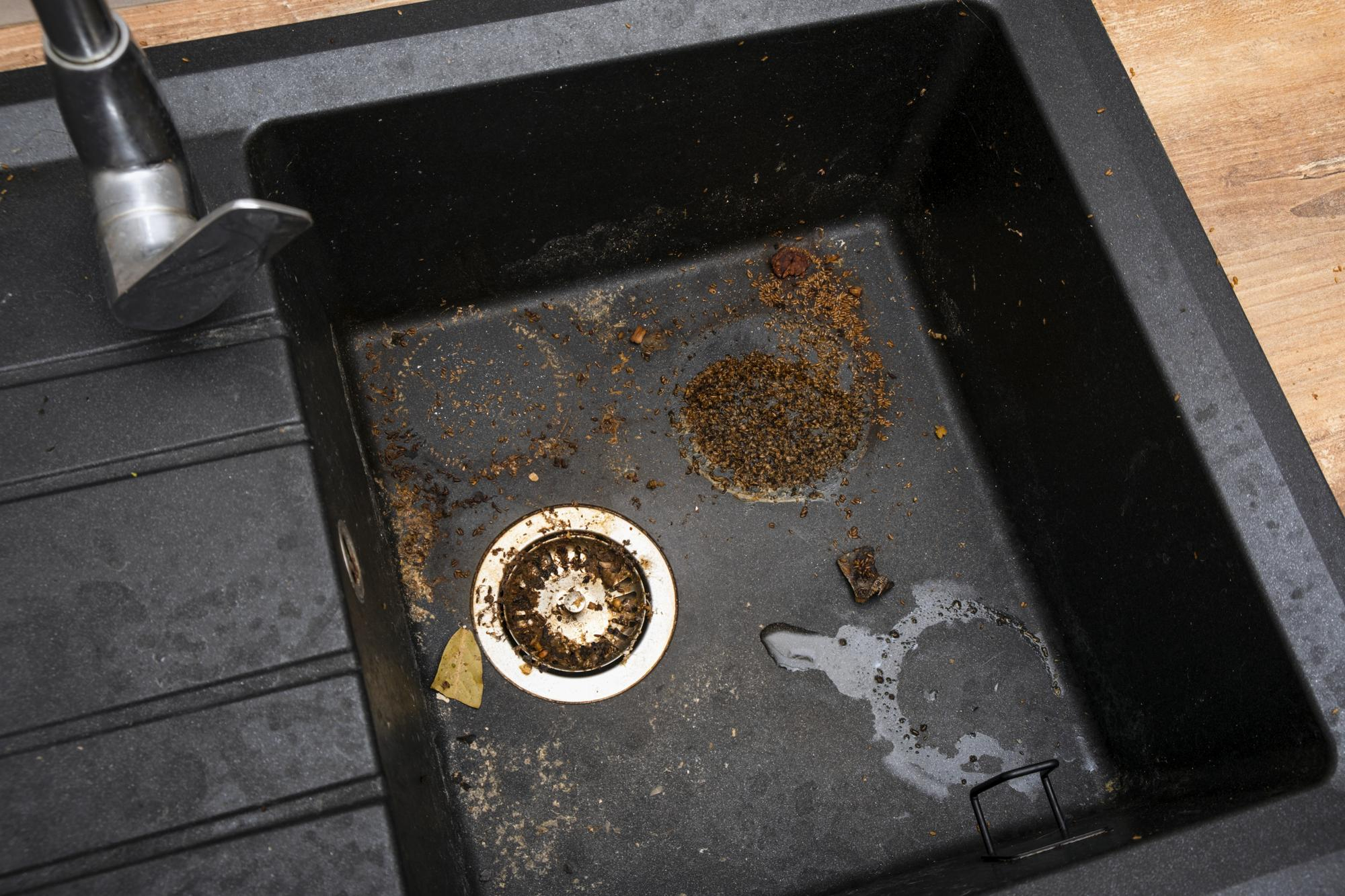
Grease is one of the most common causes of kitchen drain blockages. In Dallas, the combination of high water hardness and warm temperatures makes grease settle faster inside the pipes. Over time, it sticks to the inner walls, narrowing the flow and trapping other debris. What starts as a slow drain can quickly turn into a full blockage.
The science behind grease clogs
When hot grease is poured into the sink, it doesn’t stay liquid for long. As it cools inside your pipes, it solidifies and begins sticking to the pipe walls. This sticky layer traps food particles, soap residue, and minerals from hard water creating the perfect environment for a thick, stubborn clog.
Why Dallas homes are particularly at risk
Many Dallas homes use older plumbing systems, which are more prone to buildup and corrosion. On top of that, the city’s hard water accelerates the formation of mineral deposits that combine with grease. Frequent frying, grilling, and outdoor cooking also lead to more oil being washed down the drain, increasing the risk of blockage.
The long-term damage caused by ignoring grease accumulation
Grease buildup doesn’t just reduce water flow it slowly damages your plumbing. Pressure from restricted drainage can cause cracks, leaks, or burst pipes, especially in older systems. In extreme cases, the blockage spreads to the main sewer line, resulting in costly emergency repairs and possible property damage.
Warning signs your kitchen drain is affected
Grease-related issues don’t appear overnight. Your kitchen drain usually gives off early clues that something is wrong. Recognizing these signs in time allows you to fix the problem before it turns into a serious and expensive situation.
Slow-draining sink or gurgling noises
When water drains slower than usual, it often means something is obstructing the flow. Gurgling sounds occur as air bubbles get trapped between layers of buildup. If this happens consistently, your pipes may already be coated with hardened grease.
Persistent bad odors
If your sink smells like spoiled food or stagnant water, even after cleaning, it’s a red flag. The smell comes from decomposing food particles stuck in the grease layers. These odors often linger deeper in the pipe, beyond what surface-level cleaning can reach.
Water backing up after dishwashing
Seeing water back up into your sink while running the dishwasher is never a good sign. It indicates that the wastewater can’t flow freely due to a partial blockage. If left untreated, this backup could flood your kitchen or damage your appliances.
Read more : Best drain cleaning solutions for Dallas homes
Best DIY methods to break down grease in your pipes
You can handle early-stage grease buildup without calling a plumber. These safe and effective methods help dissolve grease naturally, without harming your pipes or the environment. For best results, apply them as part of your regular cleaning routine.
Hot water and dish soap flush
Boil a large pot of water, then add a strong grease-cutting dish soap to your sink. Slowly pour the hot water down the drain to help melt soft grease deposits. This simple method works best when done weekly, especially after cooking greasy meals.
Baking soda and vinegar combination
Start by pouring half a cup of baking soda into your drain. Follow it with one full cup of white vinegar and let it sit for 15 to 30 minutes. The fizzing action helps break down buildup and deodorizes the pipes, making it an excellent natural remedy.
Salt and boiling water trick
Mix half a cup of regular table salt into boiling water, then pour it slowly into the drain. The salt acts as a gentle abrasive that scrubs the inner pipe surface. Paired with heat, this method helps loosen grease and clear minor clogs without damage.
What not to use: risks of chemical cleaners
Chemical drain cleaners may promise fast results, but they come with serious downsides. Many contain corrosive ingredients that weaken pipe walls, especially in older plumbing systems common in Dallas. In addition to health hazards, repeated use can shorten the lifespan of your pipes.
When to call a dallas drain cleaning professional
There comes a point when homemade solutions aren’t enough. If grease has built up deep in your system, it’s best to rely on professional tools and experience. Ignoring the problem too long often leads to more extensive and costly repairs.
Situations that require expert equipment
If your drain remains slow after multiple cleanings, the clog may be deep inside the drain line. Plumbers use advanced tools like inspection cameras to locate and identify the problem accurately. This technology saves time and ensures the right solution is applied.
How plumbers use hydro jetting to remove grease
Hydro jetting is a high-pressure cleaning method that blasts away thick grease and sludge. It uses water alone, so it’s safe for pipes and environmentally friendly. Unlike snaking, which only creates a small opening, hydro jetting cleans the entire diameter of the pipe.
Choosing the right local specialist in dallas
Look for a licensed plumber with experience in grease-related issues common to Dallas homes. Check reviews, ask about equipment used, and request upfront pricing. A qualified professional should also give you advice to prevent future buildup.
How to prevent grease buildup in the future
Maintaining clear kitchen drains starts with a few simple changes. These small efforts reduce the amount of grease entering your plumbing and protect your pipes long term. Prevention always costs less than repair.
What never to pour down the drain
Avoid disposing of bacon grease, cooking oil, butter, creamy sauces, or salad dressings in your sink. Even small amounts stick to the pipes and harden over time. Wipe greasy pans with a paper towel before washing to keep excess fats out of the drain.
Daily and weekly habits to adopt
Use a sink strainer to catch food debris every time you wash dishes. At the end of each day, run hot water with a drop of dish soap for 30 seconds. Once a week, use natural cleaners like baking soda and vinegar to break down early buildup.
Grease disposal options available in dallas
The City of Dallas offers local drop-off points for used cooking oil, especially after holidays. Pour cooled grease into a sealed container and bring it to one of these locations. This not only protects your plumbing, but also helps reduce environmental impact.
Your kitchen habits matter more than you think. A few daily precautions, like wiping greasy pans or flushing your drain with hot water, can save you from clogs, odors, and expensive plumbing repairs. If you live in Dallas, take advantage of local grease drop-off services. What you keep out of your drain today protects your entire plumbing system tomorrow.