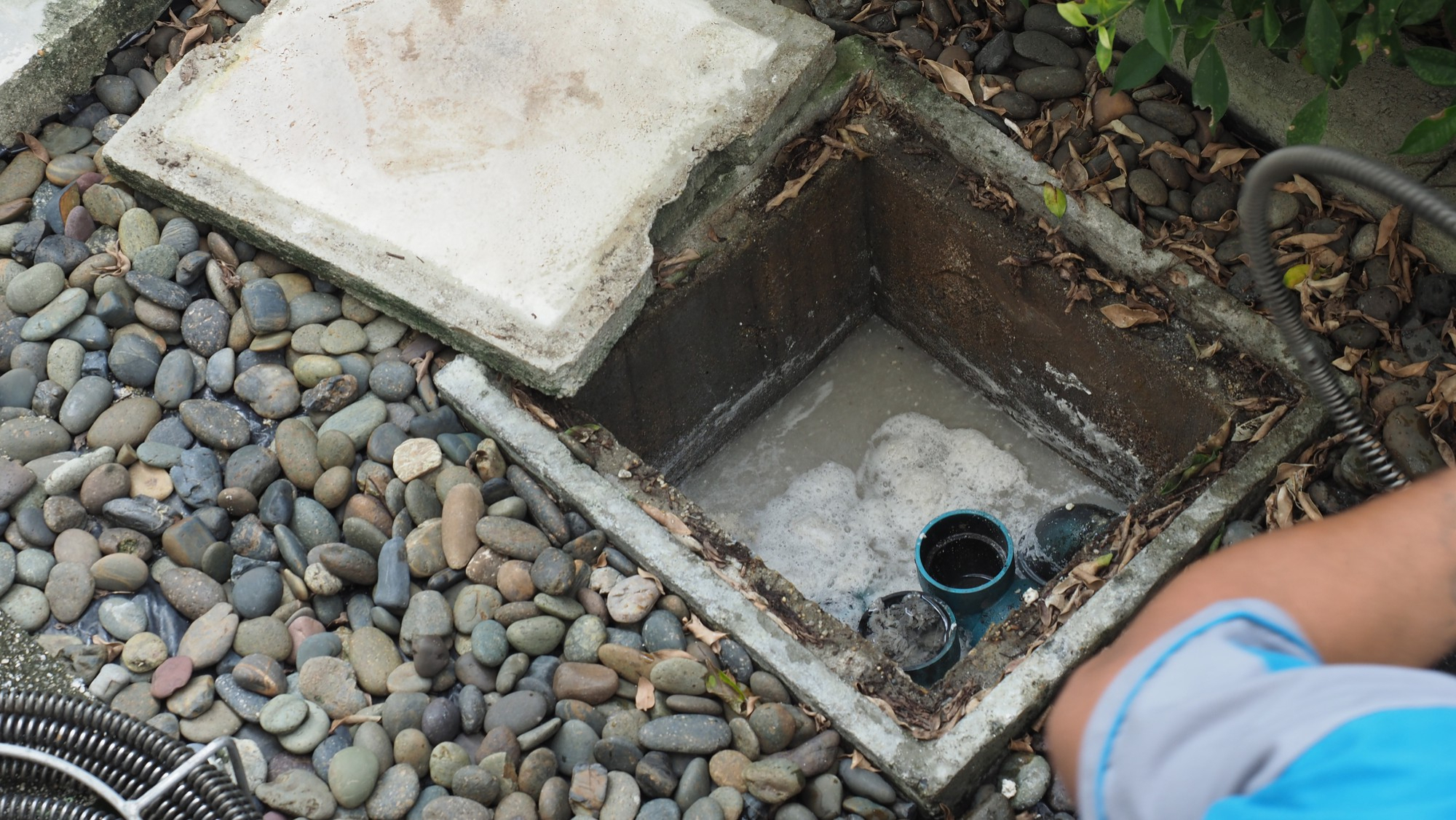
When drains clog repeatedly, frustration quickly sets in, along with costly repair bills. Dallas homes face specific challenges, including shifting soil and heavy grease buildup, that increase clog risks. By understanding these factors and adjusting how you manage waste, you can prevent blockages before they start. Protect your pipes with practical tips designed for your local environment.
Sommaire
ToggleCauses of recurring clogs in Dallas homes
Recurring clogs can quickly turn from a minor inconvenience into a costly plumbing problem. In Dallas, several local factors increase the likelihood of these blockages. From aging pipes to the unique soil composition, your home’s plumbing faces specific challenges that demand attention.
Common types of clogs found in dallas plumbing
Common clogs in Dallas homes often stem from everyday habits and environmental factors, including:
- Grease buildup in kitchen drains, where fats and oils harden inside the pipes.
- Hair and soap scum in bathrooms, combining to create tough, sticky blockages.
- Foreign objects accidentally flushed or washed down, obstructing flow.
- Tree root intrusion in underground pipes, especially in older properties, leading to serious drainage issues.
How Dallas climate and soil affect plumbing systems
Dallas’s clay-heavy soil expands and contracts with seasonal moisture changes. This movement can crack or misalign buried pipes, making clogs more likely. Furthermore, periods of drought followed by heavy rains increase soil pressure on your plumbing, adding stress to already vulnerable lines. Recognizing these environmental impacts helps you understand why maintaining your system is vital.
Warning signs that indicate recurring clogs are developing
Acting early helps prevent severe damage and emergency repairs. Recognize the subtle clues your plumbing system gives before a complete blockage occurs.
Slow drains and water backups
If sinks, showers, or tubs drain slowly, fat deposits or hair buildup might be restricting flow. Water backing up into basins during heavy use is a clear signal that pipes require attention. Ignoring these signs can lead to full stoppages, affecting your daily routine.
Foul odors and gurgling noises
Persistent bad smells near drains often mean trapped organic matter is decomposing inside clogged pipes. Gurgling sounds, especially when flushing toilets or draining sinks, indicate air trapped behind blockages. Both signs point to partial obstructions that will worsen without intervention.
Frequent need for drain cleaning
If you find yourself using a plunger or chemical drain cleaner regularly, the root cause remains. Temporary fixes only remove surface blockages. The recurring nature means deeper buildup, which requires professional evaluation and cleaning.
Read more : The cost benefits of routine drain maintenance
Practical prevention tips to avoid recurring clogs
Changing daily habits can dramatically reduce the risk of blockages. Small adjustments protect your plumbing and extend its lifespan.
Proper disposal of grease and food waste
Avoid pouring cooking grease or fat down the drain, even with hot water. These substances solidify inside pipes and attract debris. Instead, collect grease in containers and dispose of it with household waste. Scrape plates before washing to limit food particles entering the system.
Regular hair and debris removal in bathrooms
Install drain strainers to catch hair and soap residue before they enter pipes. Remove trapped hair from strainers after each use. Clean shower and tub drains frequently to prevent buildup from becoming compacted.
Use of drain strainers and filters
In addition to bathroom use, strainers work well in kitchen sinks. They catch larger particles, preventing accumulation that leads to clogs. Maintaining these filters by cleaning them regularly ensures optimal drainage.
Landscaping tips to protect pipes from root intrusion
Plant trees and shrubs away from sewer lines to prevent roots from seeking moisture inside pipes. Consider root barriers or professional inspections if trees are already close to your plumbing. Early detection of root intrusion avoids costly pipe repairs.
Professional solutions for persistent clogs in Dallas
Sometimes, prevention isn’t enough. Persistent or severe clogs require professional expertise and specialized equipment.
Advanced drain cleaning techniques
Hydro-jetting uses high-pressure water to clear grease, roots, and debris thoroughly. It cleans pipe walls without damage, restoring flow efficiently. Drain snaking mechanically breaks apart blockages and is effective for many common clogs.
Pipe inspection and repair services
Video camera inspections allow plumbers to identify hidden damage or blockages inside pipes. Detecting cracks, breaks, or root intrusion early prevents extensive damage. Repairs can include spot fixes or full pipe replacement, depending on the issue.
When pipe replacement becomes necessary
If repeated clogs occur despite cleaning, your pipes may be severely damaged or corroded. Replacing old or broken sections restores reliable drainage. Investing in quality materials prolongs your system’s life and reduces future problems.
Keeping your drains clear starts with understanding your home’s risks and adjusting your habits accordingly. You hold the key to preventing recurring clogs and protecting your Dallas home’s plumbing system for years to come.
*
Read more : Eco-friendly options for drain cleaning in Dallas